
Innovation School
The "School" of the Future
In addition to the opportunity to turn their own interests into an enterprise, students are given the tools to complete a successful university education. The ILS sees itself as an Innovation School. The Innovation School unites three institutions under one roof: it is a kindergarten, primary and secondary school, but also a research school and a training and continuing education school. It thus offers the opportunity to envision the school of the future and to test it under scientific supervision. Fundamental processes and procedures in the school are reconsidered and alternatives are tested. Innovative forms of teaching, learning, and living together are developed, tested, and scientifically evaluated in cooperation with academic partners. In this way, learning facilitators at the ILS become not only facilitators but also researchers and scientists. Observations and documentation of students' learning behaviour in relation to new teaching methods open new horizons in guiding and developing students, helping to strengthen children's skills and competencies faster and better, ultimately allowing every child to grow up as a self-determined and self-confident individual.
Lifelong Learning for All Involved
The ILS brings together learning methods from different countries in one place.

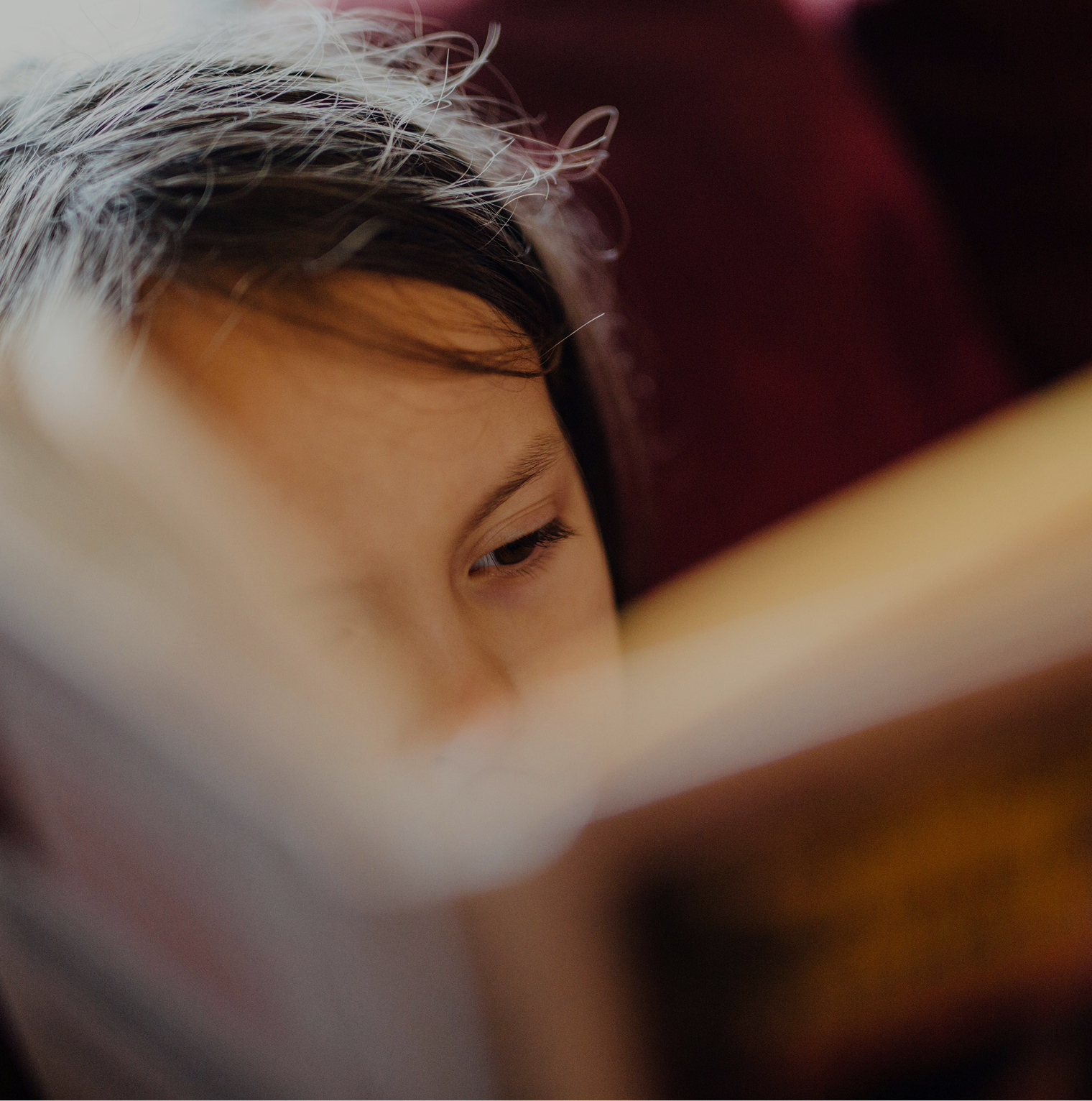
(Quantum) Speed Reading

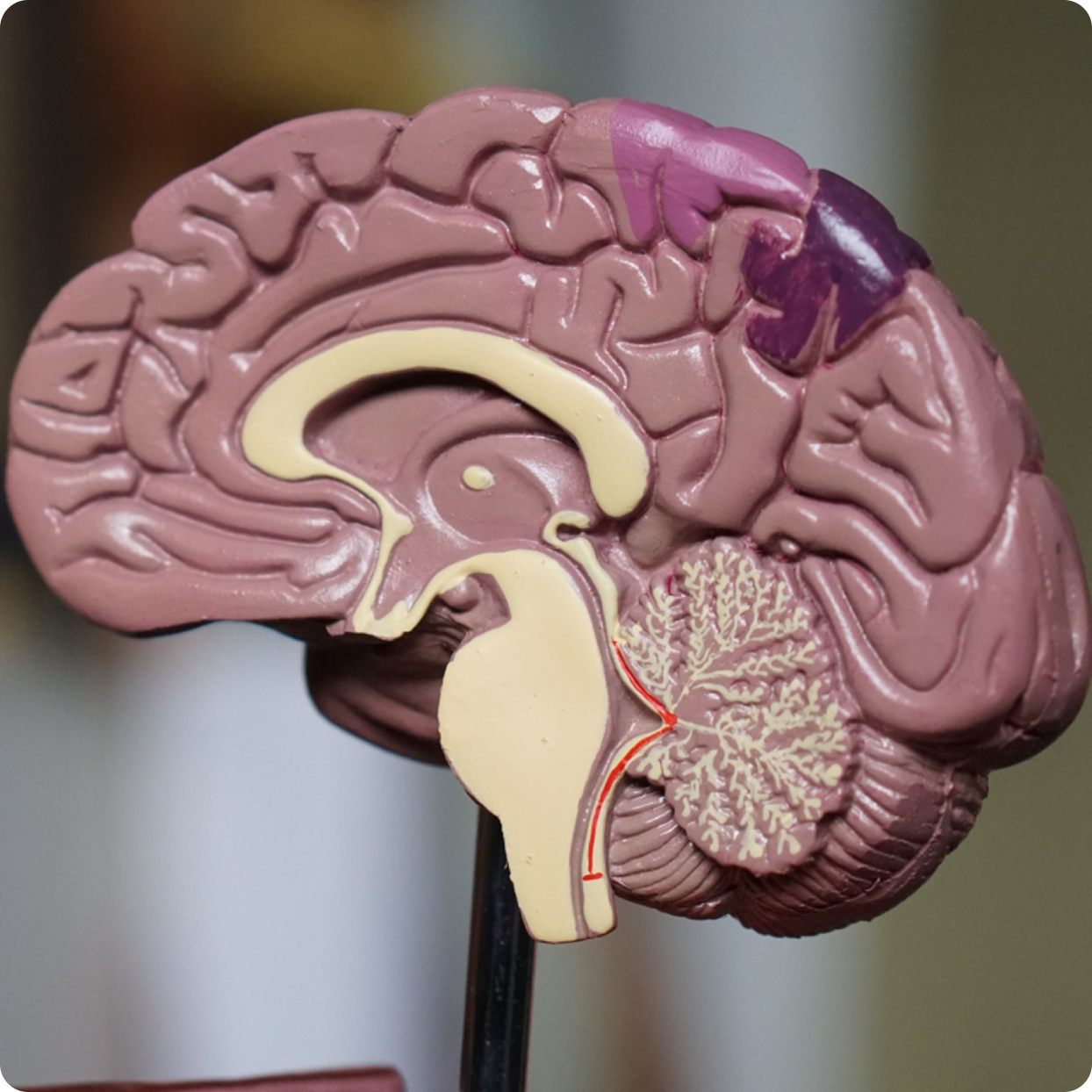
Right Brain Education (RBE)
We integrate stimulation of the right hemisphere of the brain in accordance with Professor Makoto Shichida in order to purposefully foster students’ creative, intuitive, and emotional abilities. This approach emphasizes the development of imagination, artistic thinking, and emotional intelligence. In addition, we apply the Soroban method, through which mathematics is learned visually and mentally, as well as the (Quantum) Speed Reading method developed by Yumiko Tobitani, a student of Shichida, which supports holistic and intuitive reading. The main goal of Right Brain Education is not only to convey knowledge, but also to cultivate heart and soul. Shichida believed that a one-sided, performance- and competition-oriented society has lost touch with right-brain qualities such as intuition, creativity, and empathy. By integrating these methods, we consciously promote a balance between both hemispheres of the brain and combine critical thinking with creative abilities to create a holistic, forward-looking educational experience.
Immersion Method
The immersion method in language learning aims to actively and continuously involve learners in German and foreign languages, allowing language to be experienced as a living means of expression and communication. Central to this approach is the joy of linguistic diversity and the conscious experience of the richness of words, nuances of meaning, and expressive possibilities. Through action- and project-oriented learning formats—such as theatre, writing, or film projects—language and content are embedded in authentic contexts of application. A particular focus is placed on writing as a form of expression, inspired by language and text experts such as authors who exemplify their appreciation and love of language. Encountering literary role models and professional texts fosters language awareness, a sense of style, and motivation to develop one’s own texts. This practical approach supports sustainable language competence, creative expressive ability, and confident, reflective use of language in both school and everyday contexts.
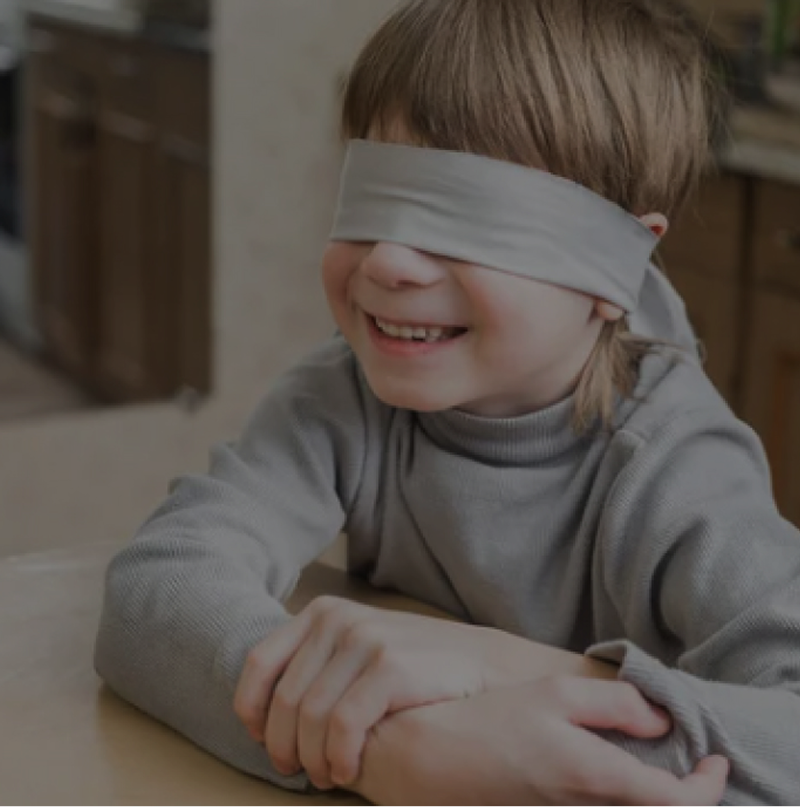
Non-visual Perception (EOV)
The learning training “Non-visual Perception” supports cognitive development by promoting alternative forms of perception and information processing. Learning processes are deliberately stimulated through multiple senses in order to strengthen attention, concentration, and perceptual awareness. The goal is to expand existing abilities and to intentionally unfold the individual potential of learners. The method is used to foster creativity, flexible thinking strategies, and holistic learning. Through innovative learning approaches and creative exercises, students are encouraged to use their perception in a more differentiated way and to move beyond purely visual or linear learning patterns. This conscious, multisensory approach supports independent learning, personal development, and confident engagement with new challenges in everyday life.
Curious?
The ILS fosters creative thinking and holistic development. By integrating all senses into everyday learning, students tap into their intuitive side, while project-based learning enables practical application of knowledge. This not only strengthens their problem-solving skills but also encourages artistic expression. The ILS creates a dynamic learning environment that nurtures individual strengths and equips students with the skills they need for a successful future.
Contact